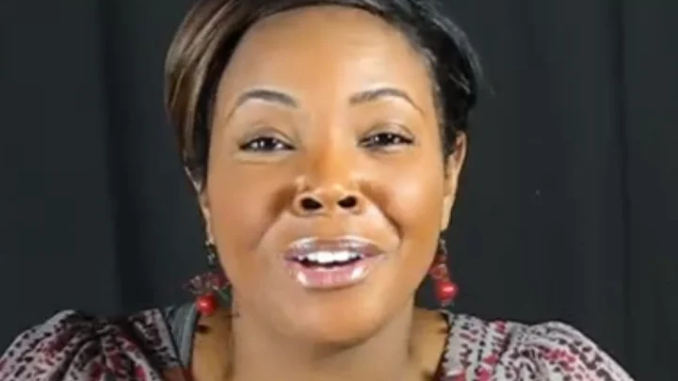
For many television fans, Kellie Shanygne Williams will always be remembered as Laura Winslow from Family Matters. She was smart, stylish, and one of the standout characters from a sitcom that became a household favorite. But in 2012, her name appeared in headlines for a very different reason.
Reports linked Williams to a federal investigation involving former Washington, D.C. Council Member Harry Thomas Jr., who admitted to stealing more than $350,000 in city funds. Some stories suggested that Williams’ youth arts program may have been connected to the broader investigation. However, she was never charged with any crime.
That distinction matters.
This article breaks down what happened, why her name surfaced, the legal context, and how public figures can become part of headlines without being accused of wrongdoing.
Who Is Kellie Shanygne Williams?
Kellie Shanygne Williams became famous through her role as Laura Winslow on Family Matters. She played the daughter of Carl and Harriette Winslow and became one of the show’s most recognizable faces.
Her character was central to many memorable storylines, especially those involving Steve Urkel. For millions of viewers, she represented intelligence, confidence, and charm.
After her sitcom fame, Williams also became involved in community and youth-focused initiatives.
What Happened in 2012?
In 2012, federal investigators examined the misuse of city funds by former D.C. Council Member Harry Thomas Jr. Authorities said Thomas had stolen more than $350,000 meant for youth and community programs.
As investigators followed the money trail, organizations and individuals connected to grants or related programs received media attention.
Among those mentioned in reports was Kellie Williams because of her youth arts organization.
The Harry Thomas Jr. Scandal Explained
Harry Thomas Jr. was a Washington, D.C. politician who later admitted wrongdoing involving public money.
According to authorities, funds intended to help young people and public initiatives were misused for unauthorized purposes.
When public money disappears, investigators naturally review every connected transaction, partner, and program.
That wider process often sweeps many names into the news.
Why Kellie Williams’ Name Surfaced
Williams reportedly operated a youth arts program that was referenced in connection with the investigation.
This does not automatically imply criminal behavior.
In major financial probes, investigators commonly examine:
- Contracts
- Grants
- Nonprofit relationships
- Program spending
- Administrative records
- Communication trails
Being mentioned in a report is not the same as being accused.
Was Kellie Williams Charged?
No. She was not charged with any crime.
This is the most important fact in the story.
Headlines often focus on links, connections, and investigations, but readers must separate those terms from legal accusations.
A person can be associated with an investigation contextually without facing criminal allegations.
The Difference Between Being Linked and Being Charged
These phrases are often confused.
Linked
A person or organization appears in reporting due to association, records, or involvement in a related matter.
Charged
Authorities formally accuse someone of a crime.
Those are very different categories.
Confusing them can unfairly damage reputations.
How Media Headlines Shape Public Perception
Many readers only scan headlines. If a celebrity name appears beside words like “federal investigation,” assumptions happen instantly.
That is where nuance gets lost.
The full story may reveal:
- No charges filed
- No direct accusation
- Administrative review only
- Third-party misuse of funds
- Limited or unclear involvement
But those details often come later.
Why Celebrity Names Draw Attention
If a famous name enters any public controversy, coverage intensifies.
Why?
Because audiences recognize the person. Familiar names generate clicks faster than unknown officials or financial records.
That reality can distort priorities. The celebrity becomes the headline while the actual scandal sits in the background.
Kellie Williams’ Public Image
Williams was known primarily as a former child star and someone involved in youth development efforts.
That image likely made the reports more surprising to fans.
When someone associated with family television and community work appears in controversy-related headlines, curiosity spikes immediately.
How Investigations Expand Publicly
Large investigations often start with one suspect but broaden into many reviewed entities.
Think of it like pulling one thread from a sweater. Once it starts, many connected strands appear.
That does not mean every strand is damaged.
Sometimes investigators simply need to understand where money moved and who handled it.
The Cost of Incomplete Narratives
When stories fail to emphasize that no charges were filed, the public may assume guilt by association.
That can affect:
- Reputation
- Career opportunities
- Community trust
- Future partnerships
- Emotional well-being
Even years later, people may remember the rumor more than the resolution.
Why Legal Precision Matters
Words matter in public reporting.
There is a major difference between:
- Named in records
- Mentioned in reports
- Investigated directly
- Charged criminally
- Convicted in court
Each phrase carries different legal and ethical weight.
Responsible readers and writers should treat them carefully.
The Broader Issue: Public Funds and Trust
The deeper story here was misuse of taxpayer money meant for youth and community programs.
When funds intended to help young people are stolen, public trust suffers.
Programs lose resources. Communities lose opportunities. Cynicism grows.
That is the real cost of corruption.
What Fans Should Remember
If you know Kellie Williams mainly as Laura Winslow, it helps to remember that headlines do not always tell the full story.
Public figures can appear in investigations for many reasons:
- Organizational connections
- Grant administration
- Witness cooperation
- Financial record review
- Media speculation
Presence in a story does not equal wrongdoing.
How the Internet Revisits Old Stories
Years later, old celebrity headlines often return online without context.
Someone reposts a fragment. Another account exaggerates it. Soon, a stale story becomes fresh confusion.
That is why historical accuracy matters.
Old news without full context can become new misinformation.
Lessons From the 2012 Coverage
1. Read Beyond Headlines
Short titles rarely capture legal nuance.
2. Check Final Outcomes
Was anyone charged? Cleared? Never accused?
3. Separate Fame From Facts
Celebrity status should not distort understanding.
4. Context Is Essential
Connections are not convictions.
Kellie Williams Beyond the Headlines
Williams’ career and public identity extend beyond one news cycle.
She remains remembered for her role in a classic sitcom and for involvement in youth-centered work.
One headline should never define an entire life or career.
Why This Story Still Matters Today
This story still resonates because it highlights a modern problem: people often confuse association with guilt.
That happens in politics, entertainment, sports, and everyday life.
The lesson is timeless—facts deserve patience.
Conclusion
In 2012, Kellie Shanygne Williams’ name appeared in reports tied to a federal investigation involving former D.C. Council Member Harry Thomas Jr., who stole more than $350,000 in city funds. Some reports suggested her youth arts program may have been connected to the broader case. However, she was never charged.
That final detail is crucial. In a world of fast headlines and shallow reading, association can be mistaken for accusation. The smarter path is simple: slow down, read carefully, and follow the facts to the end.
FAQs
1. Why was Kellie Williams mentioned in 2012 reports?
Her youth arts program was reportedly referenced in connection with a broader federal investigation.
2. Was Kellie Williams charged with a crime?
No. She was not charged.
3. Who was at the center of the scandal?
Former D.C. Council Member Harry Thomas Jr., who admitted to stealing public funds.
4. Why do celebrity names get more attention in investigations?
Famous names attract clicks and public curiosity.
5. What is the key lesson from this story?
Being linked to a report is not the same as being accused or charged.