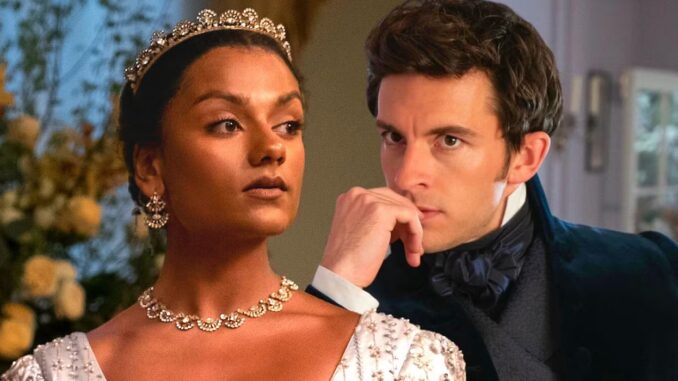
Ever since Bridgerton introduced Kate Sharma in Season 2, the character—played by Simone Ashley—has sparked intense reactions across the fandom. While many viewers adore her strength, wit, and emotional depth, others have been surprisingly critical, even harsh. So why does Kate seem to attract more hate than other characters?
One major reason lies in expectations. Fans of the original book series by Julia Quinn already had a clear image of Kate (originally Kate Sheffield). When the show adapted her into Kate Sharma and made significant changes to her background and personality, not everyone was on board. Some viewers felt the adaptation strayed too far from the source material, and Kate became the focal point of that frustration—even though those decisions ultimately come from the writers, not the character herself.
Another factor is Kate’s strong personality. Unlike some of the more traditionally “likable” female leads, Kate is outspoken, stubborn, and often guarded. She challenges Anthony Bridgerton directly, refuses to conform easily, and makes decisions that aren’t always soft or agreeable. While these traits are praised by many as empowering, others interpret them as cold, controlling, or even “annoying.” In reality, this reflects a broader pattern in media where assertive female characters are judged more harshly than their male counterparts.
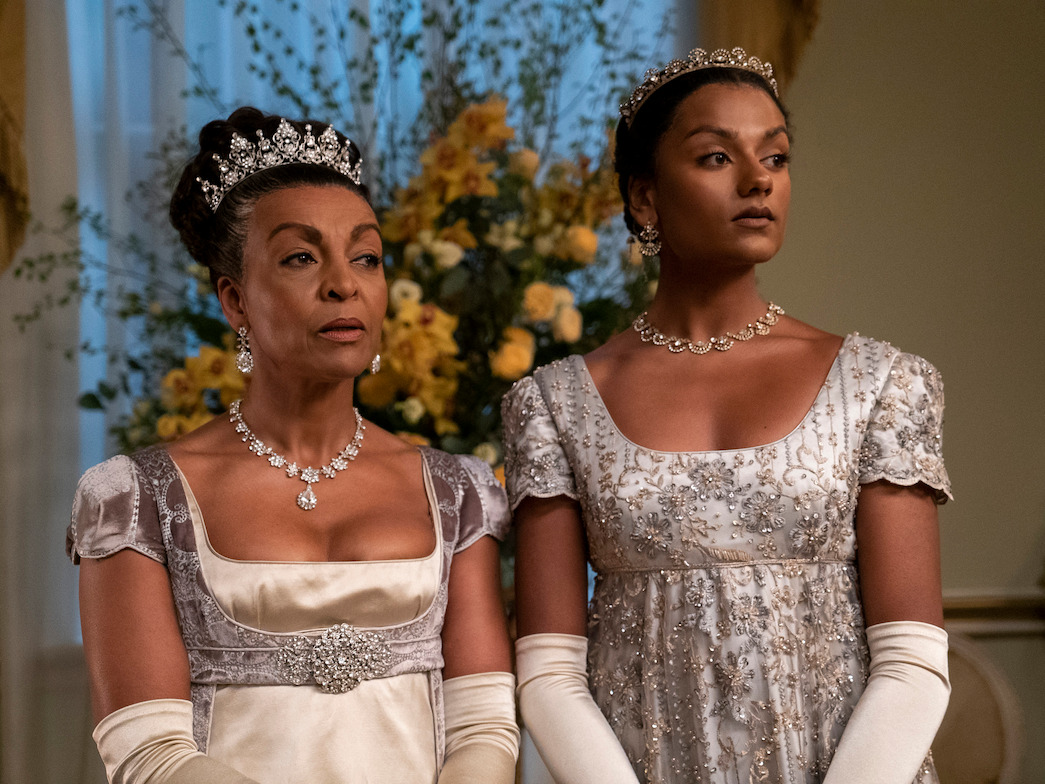
The love triangle dynamic in Season 2 also plays a huge role. Kate’s relationship with her sister Edwina created one of the most emotionally charged storylines in the series. Some viewers blamed Kate for the tension, accusing her of betraying her sister—even though the situation was far more complex. The show deliberately leaned into slow-burn drama, which intensified audience reactions and divided opinions. For some fans, that emotional discomfort translated into dislike for Kate herself.
There’s also the issue of screen time and storytelling choices. Many fans felt Kate’s backstory—her trauma, her motivations, her inner struggles—wasn’t explored as deeply as it should have been. As a result, certain actions she took may have seemed abrupt or poorly explained, leading viewers to judge her more critically. When a character’s emotional journey isn’t fully fleshed out, audiences are more likely to misinterpret their intentions.
Social media has amplified all of this. Platforms like TikTok and X have turned character debates into viral battlegrounds, where strong opinions spread quickly and often without nuance. A single negative take can snowball into widespread criticism, creating the illusion that a character is “widely hated,” even when they have a massive fanbase.
Ironically, the hate Kate receives is also a sign of how impactful she is. Characters who provoke strong reactions—positive or negative—are often the ones people can’t stop talking about. And despite the criticism, Kate Sharma remains one of the most memorable and discussed characters in Bridgerton.
In the end, the debate around Kate says as much about audience expectations and storytelling as it does about the character herself. Love her or hate her, one thing is certain: Kate Sharma is impossible to ignore.