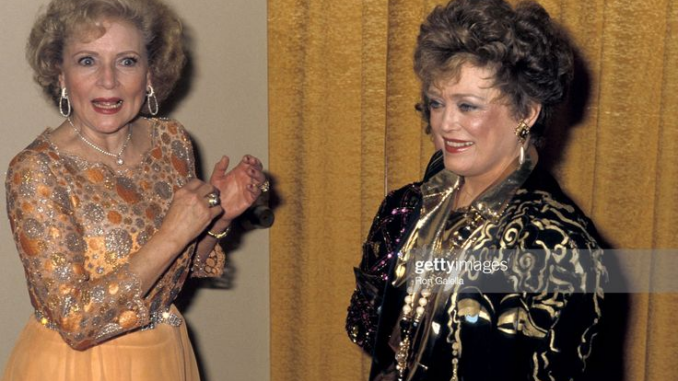
The Influence of the Quartet of Ladies on the LGBT Community Over the Past 40 Years
A Sitcom Became Something Much Bigger Than Television
At first glance, The Golden Girls looked like a simple comedy about four older women sharing a house in Miami.
Funny conversations.
Cheesecake at midnight.
Dating disasters.
Friendship.
Family drama.
But over the past 40 years, the series evolved into something far more meaningful — especially for the LGBTQ+ community.
For millions of viewers, these women became emotional comfort, chosen family, and symbols of acceptance during decades when television rarely treated LGBTQ+ people with dignity or compassion.
And honestly?
That influence still feels powerful today.
Because long before “inclusive television” became a marketing phrase, The Golden Girls quietly created one of the safest emotional spaces in television history.
The Quartet Felt Like Chosen Family
Why LGBTQ+ Audiences Connected So Deeply
One reason the show resonated so strongly with LGBTQ+ audiences is because the core dynamic felt incredibly familiar.
Four outsiders.
Different personalities.
Different emotional wounds.
Living together while creating their own version of family.
That idea mirrors the experience of many LGBTQ+ people, especially during the 1980s and 1990s, when rejection, isolation, and emotional loneliness were sadly common realities.
For many viewers, Dorothy, Blanche, Rose, and Sophia didn’t simply feel entertaining.
They felt safe.
And that emotional safety mattered enormously.
Television Rarely Offered Acceptance Back Then
The Cultural Context Was Completely Different
To understand the show’s impact, you have to remember the era in which it aired.
During the 1980s, LGBTQ+ representation on television was extremely limited. Many portrayals relied on stereotypes, mockery, fear, or silence altogether.
At the same time, the AIDS crisis devastated communities while stigma and discrimination remained widespread.
That environment made compassionate representation incredibly rare.
Yet The Golden Girls consistently approached difficult topics with empathy, humor, and humanity.
And that difference changed lives.
The Show Treated LGBTQ+ Characters Like Human Beings
That Was Revolutionary at the Time
Today, respectful LGBTQ+ representation feels more common.
But in the 1980s?
It was groundbreaking.
The series included episodes involving:
- Gay friends
- Same-sex relationships
- AIDS fears and stigma
- Homophobia
- Gender expectations
- LGBTQ+ acceptance within families
Most importantly, the show approached these subjects without cruelty.
The characters listened.
Learned.
Defended people.
That emotional warmth felt revolutionary during an era filled with judgment and fear.
Dorothy Became an Unexpected LGBT Icon
Strength, Sarcasm, and Emotional Intelligence
Bea Arthur created something extraordinary through Dorothy Zbornak.
She was intelligent.
Sharp.
Emotionally protective.
Dryly sarcastic.
But beneath the humor, Dorothy carried deep empathy for outsiders and misunderstood people.
That emotional intelligence made many LGBTQ+ viewers connect with her strongly.
She often acted like the moral center of the group — the person willing to challenge prejudice directly instead of avoiding uncomfortable truths.
And honestly?
Many fans still see Dorothy as one of television’s greatest allies.
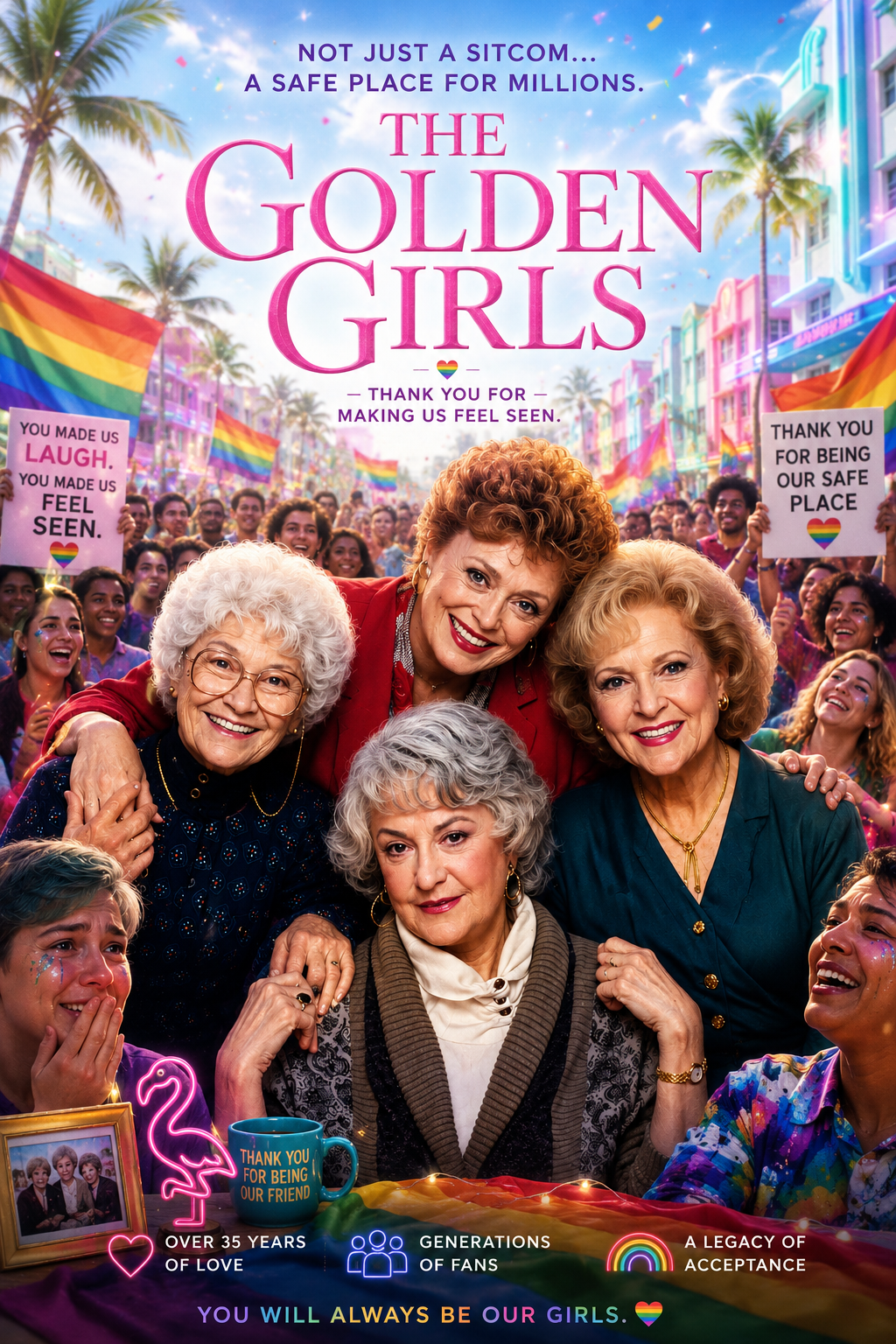
Blanche Represented Freedom Without Shame
Confidence Became Empowerment
Meanwhile, Blanche Devereaux became iconic for entirely different reasons.
Played by Rue McClanahan, Blanche embraced sexuality, confidence, glamour, and emotional openness without apology.
That mattered deeply.
Many LGBTQ+ fans connected with her refusal to feel ashamed of desire, beauty, or self-expression. She lived loudly in a world constantly telling women — especially older women — to become invisible.
Blanche refused.
That boldness felt liberating.
Even today, LGBTQ+ audiences continue celebrating her dramatic energy and fearless personality across memes, drag performances, and pop culture tributes.
Sophia Delivered Truth Through Humor
Comedy Became a Weapon Against Ignorance
Estelle Getty brought Sophia Petrillo to life with humor that often disguised emotional wisdom.
She delivered blunt honesty fearlessly.
And interestingly, humor became one of the show’s strongest tools for challenging prejudice.
Rather than preaching constantly, the series often used comedy to expose ignorance and hypocrisy naturally.
That approach allowed difficult conversations to feel accessible rather than confrontational.
It helped audiences listen instead of immediately becoming defensive.
Rose Represented Kindness Without Judgment
Compassion Mattered More Than Perfection
Betty White made Rose Nylund feel endlessly compassionate.
Naive sometimes?
Absolutely.
But cruel?
Never.
Rose approached people with curiosity instead of judgment. That emotional openness mattered enormously during a time when LGBTQ+ individuals often faced fear and rejection socially.
Sometimes kindness matters more than intellectual perfection.
Rose represented that beautifully.
The AIDS Episode Changed Television History
One Conversation Meant Everything
One of the series’ most important moments came during its discussion surrounding AIDS fears and misinformation.
At a time when panic and stigma dominated public conversation, the show approached the issue with empathy and humanity rather than fearmongering.
That mattered profoundly.
Many LGBTQ+ viewers still remember feeling seen emotionally during those episodes.
Because representation isn’t always about grand speeches.
Sometimes it’s simply about being treated like a human being.
The Show Became a Safe Space During Difficult Times
Comfort Television Saved People Emotionally
For many LGBTQ+ fans, The Golden Girls became more than entertainment.
It became emotional survival.
People watched it during loneliness.
During rejection.
During grief.
During periods when society felt hostile or unsafe.
The warmth between the four women created emotional comfort that transcended comedy entirely.
And honestly?
That emotional connection still exists today.
Drag Culture Helped Keep the Legacy Alive
The Golden Girls Became Queer Pop Culture Royalty
Over the decades, drag culture embraced The Golden Girls passionately.
Impersonations.
Tribute performances.
Comedy routines.
Theatrical recreations.
The characters translated perfectly into queer performance spaces because each woman possessed such distinct personality and emotional energy.
Dorothy’s sarcasm.
Blanche’s glamour.
Rose’s innocence.
Sophia’s sharp humor.
They became larger-than-life archetypes audiences instantly recognized and loved.
Chosen Family Became the Heart of Everything
The Emotional Theme That Never Ages
Perhaps the deepest connection between the show and LGBTQ+ audiences involves the concept of chosen family.
Many LGBTQ+ individuals historically built emotional support systems outside traditional family structures due to rejection or misunderstanding.
The Golden Girls centered entirely around that idea.
Four unrelated women creating unconditional love and support together.
That emotional truth transcends generations.
And honestly, it’s one reason the series still resonates today.
Modern LGBTQ+ Fans Continue Discovering the Show
The Legacy Keeps Growing
One fascinating aspect of the show’s influence is how younger LGBTQ+ audiences continue discovering it decades later.
Streaming platforms introduced the series to entirely new generations.
And surprisingly?
The emotional connection still works.
Even younger viewers raised in completely different cultural environments still recognize the warmth, acceptance, humor, and emotional safety the show offers.
That timeless emotional quality explains its lasting cultural power.
The Series Treated Older Women With Respect
That Representation Also Mattered Deeply
Another reason LGBTQ+ audiences connected with the show involves its treatment of aging.
Mainstream entertainment often ignores older people entirely, especially older women.
But The Golden Girls celebrated them.
The characters were funny.
Romantic.
Sexual.
Complicated.
Emotionally alive.
That refusal to erase aging resonated strongly within LGBTQ+ communities that often value individuality, self-expression, and resistance against societal expectations.
Humor Helped Heal Emotional Pain
Laughter Became Comfort
Part of the show’s enduring influence comes from how it balanced emotional pain with humor.
The characters discussed grief, loneliness, rejection, aging, fear, and insecurity constantly.
But they survived together through laughter.
That emotional balance mirrored real life beautifully.
And for viewers struggling emotionally, the humor provided genuine comfort without dismissing deeper pain.
Betty White Became a Beloved Ally Figure
Her Legacy Extended Beyond the Show
Over time, Betty White became especially beloved within LGBTQ+ communities because her kindness felt authentic both on-screen and off-screen.
Fans viewed her as warm, accepting, and emotionally genuine.
That emotional trust strengthened the connection between the show and queer audiences even further.
For many people, Betty White represented emotional safety itself.
The Show Proved Sitcoms Could Be Compassionate
Comedy Didn’t Need Cruelty
Many older sitcoms relied heavily on mockery, stereotypes, or humiliation for laughs.
But The Golden Girls often chose empathy instead.
Yes, the characters teased each other constantly.
But beneath the sarcasm existed unconditional love.
That emotional foundation changed the energy of the comedy completely.
And LGBTQ+ audiences felt that warmth deeply.
The Legacy Feels Stronger Than Ever After 40 Years
Why the Influence Never Disappeared
Forty years later, the connection between The Golden Girls and the LGBTQ+ community remains incredibly strong because the show offered something timeless:
Acceptance.
Friendship.
Humor.
Chosen family.
Emotional safety.
Those themes never stop mattering.
And honestly?
In a world that still feels emotionally exhausting sometimes, the warmth of those four women continues feeling like home.
Conclusion
The influence of Dorothy, Blanche, Rose, and Sophia on the LGBTQ+ community over the past 40 years extends far beyond television entertainment.
They became symbols of acceptance during difficult decades.
They created emotional comfort during periods of fear and loneliness.
They represented chosen family, resilience, humor, and unconditional support in ways that still resonate across generations today.
That’s why The Golden Girls remains more than a sitcom for millions of LGBTQ+ fans.
It feels like family.
And honestly?
That kind of cultural impact is rare, beautiful, and unforgettable.
FAQs
1. Why is The Golden Girls so popular within the LGBTQ+ community?
The show emphasized chosen family, emotional acceptance, compassion, humor, and respectful LGBTQ+ representation during a time when television rarely offered it.
2. Which Golden Girls character became the biggest LGBTQ+ icon?
All four became beloved, but Dorothy and Blanche are often especially celebrated for their strength, confidence, humor, and individuality.
3. Did The Golden Girls address LGBTQ+ issues directly?
Yes, the series discussed homosexuality, AIDS stigma, family acceptance, prejudice, and related social issues with empathy and humor.
4. Why does the show still resonate with younger LGBTQ+ audiences today?
Its themes of friendship, acceptance, emotional safety, and chosen family remain timeless and deeply relatable.
5. How did the show differ from other sitcoms of its era?
Unlike many shows during the 1980s, The Golden Girls treated LGBTQ+ topics and characters with humanity, warmth, and emotional intelligence rather than stereotypes or mockery.