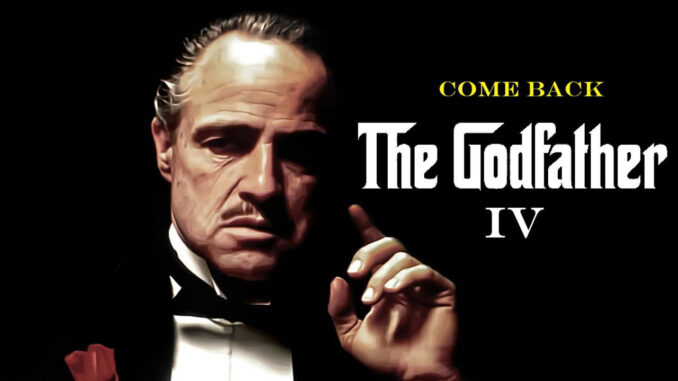
There are films you watch…
and there are films that change how you see the world.
The Godfather belongs to the second kind.
Because this isn’t just a story about crime.
It’s about power—how it grows, how it corrupts, and how it quietly destroys everything in its path.
At its core is Michael Corleone, portrayed by Al Pacino—a man who never wanted the throne, but ends up becoming its most ruthless ruler.
What makes his journey unforgettable isn’t the violence.
It’s the logic.
Every decision he makes feels justified:
To protect his father
To defend his family
To secure the future
And that’s what makes it terrifying.
Because by the time you realize what he’s become…
you understand why he did it.
That’s the brilliance of The Godfather—it doesn’t ask you to approve.
It makes you understand.
Vito Corleone, played by Marlon Brando, once balanced power with wisdom. He knew the cost of control. He respected the line.
Michael erases that line.
And in doing so, he creates something far more dangerous than a crime boss—
A man with absolute power… and nothing left to lose.
The film leaves you with a chilling realization:
Power doesn’t destroy you instantly.
It changes you slowly.
Quietly.
Until one day, you no longer recognize yourself. 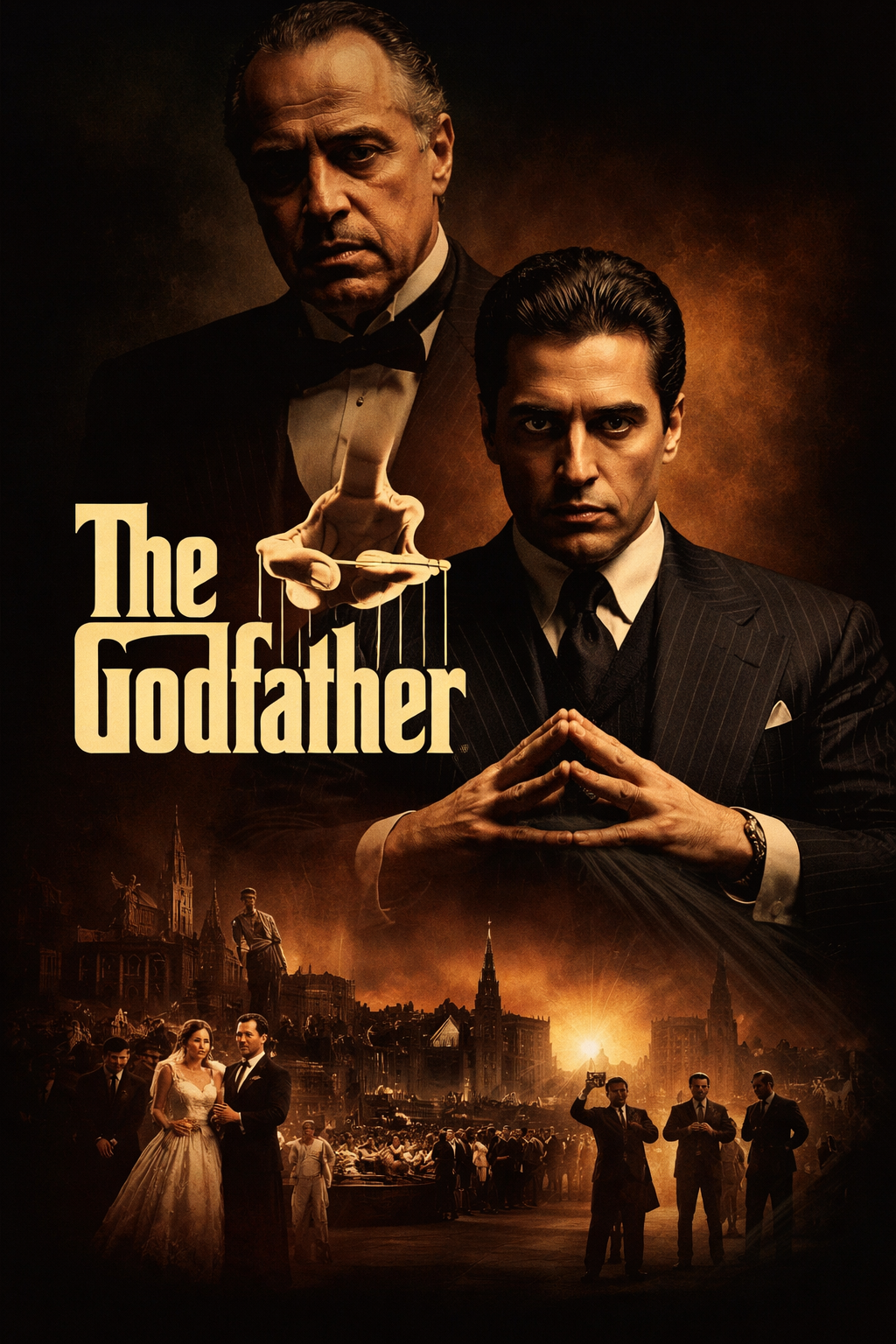
That’s why The Godfather isn’t just iconic.
It’s timeless.
Because in every generation, in every system, in every ambition—
there is always someone standing at the same crossroads as Michael Corleone.
And the question is never if they will change.
It’s how far they’re willing to go.